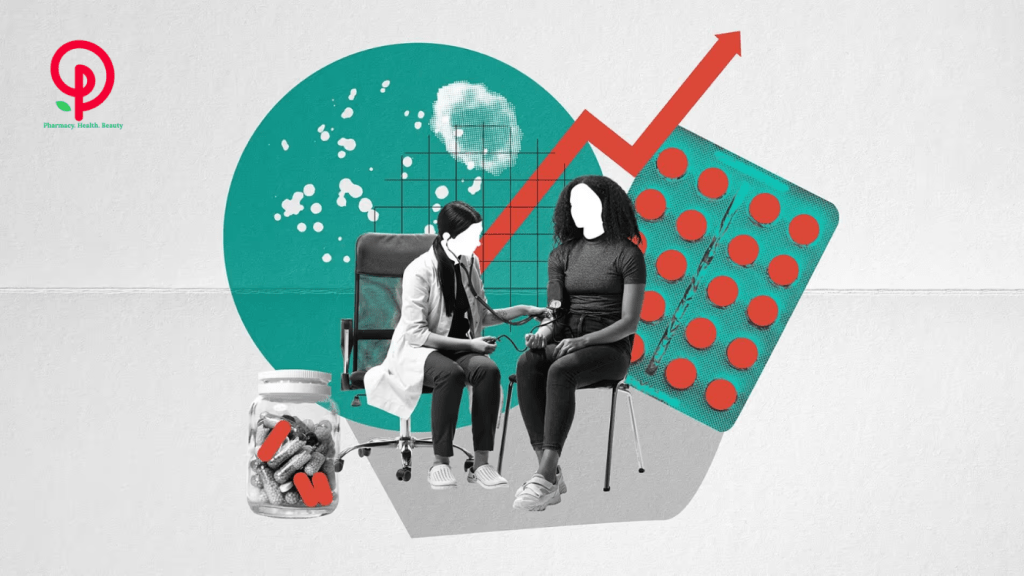
Access to medicines does not end at importation or production. It is defined by how efficiently, consistently, and safely those medicines reach the people who need them. Availability within a system does not guarantee access at the point of care. The real test of any healthcare system is its ability to close that gap.
Across West Africa, distribution remains a critical pressure point. Medicines may exist within the network, yet inefficiencies in movement, limited inventory visibility, and weak last-mile delivery continue to create delays, stockouts, and fragmented patient experiences. The result is not just operational strain. It is disrupted care, compromised outcomes, and declining trust in the system.
This is where supply chain optimisation moves from operational detail to strategic priority. It is not only about moving products faster. It is about building systems that are visible, coordinated, and reliable. Systems that align supply with real demand and ensure that medicines are where they need to be, when they are needed.
READ ALSO – Strengthening West Africa’s Pharmaceutical Supply Chain
At the centre of this shift are pharmacies and primary care providers. Positioned closest to the patient, they are more than endpoints. They are critical nodes within the healthcare value chain. When integrated effectively, they provide real-time insight into demand, strengthen forecasting, and enable a more responsive, patient-centred distribution model.
This reframing is essential. In conversations around healthcare self-sufficiency, manufacturing often takes the spotlight. Yet without efficient distribution, availability does not translate into access. Medicines in warehouses do not save lives. Medicines in patients’ hands do.
For West Africa, the path forward lies in building distribution systems that are connected, data-driven, and resilient. This means investing in visibility, strengthening logistics, and integrating care providers into the broader supply ecosystem.
Ultimately, healthcare is not only about what is produced. It is about what is delivered. And distribution is the bridge that determines whether systems deliver on their promise or fall short of it.


 blog.purelifehealth.io
Leave a comment