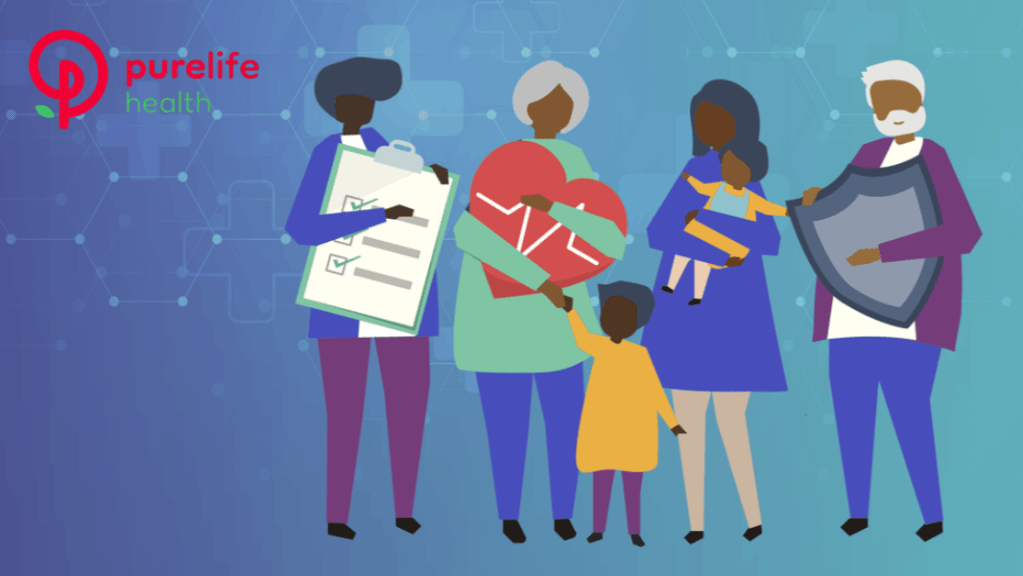


Nigeria’s economic potential is vast, yet consistently held back by preventable illnesses that drain productivity and deepen household poverty. With overall health expenditure hovering around 4.1–4.3% of GDP and out-of-pocket payments forming the majority of national health spending for every day Nigerians, preventable disease is not only a health issue, it is an economic constraint that systematically hinders growth across the economic landscape of Nigeria. While insurance coverage for most Nigerians sits at a low range of 5–7%, most Nigerians bear healthcare costs by themselves which often leads to delaying healthcare until conditions worsen.
The economic impact is however apparent. A case in point with Malaria is this: Nigeria records about 68 million malaria cases and nearly 200,000 deaths annually (from malaria-related issues), accounting for a significant share of global malaria loss. Each episode leads to missed workdays, reduced earnings, and higher employer costs. Meanwhile, non-communicable diseases (NCDs) now cause roughly 27–30% of deaths in Nigeria, affecting working-age adults and increasing long-term treatment expenses.
Prevention, therefore, offers unmatched returns: reduced treatment spending, stronger workforce participation, and greater household stability. In the ecosystem of prevention is the also the need for adequate access to quality medication (especially in a nation plagued with fake drugs) and premium-yet-affordable healthcare services.
Founded in 2021, Purelife Health identifies these critical issues and has positioned itself to demonstrate how preventive health can be an engine for sustainable growth at every level of the economy. At Purelife Health, a key combination of technology, community-based initiatives, and data-driven outreach aids to deliver four critical interventions: Access to Community-Based Primary Care, Access to Quality Medication, Health Literacy as Economic Empowerment and Accessible, Affordable Diagnostics.
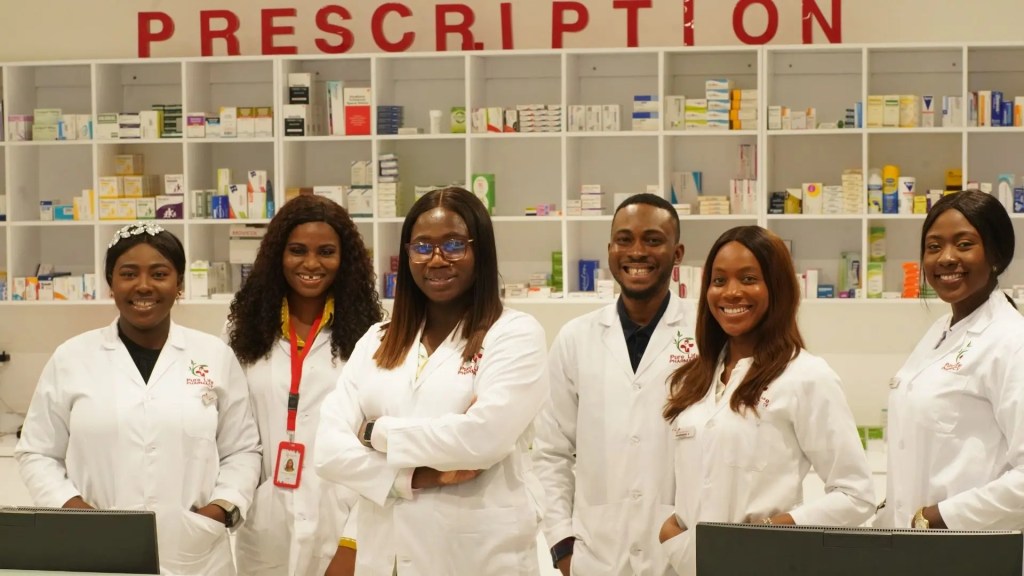
Purelife expands access for community-based primary care by enabling community pharmacies to act as mini-clinics. Our Carehub model turns local pharmacies into accessible points where patients can get consultations, diagnostics, immunisations and quality medication — overcoming barriers of distance and high hospital costs.
Through outreach campaigns, Purelife also educates underserved populations about prevention, routine screening, and early intervention. The platform reaches many people who, before now, rarely had routine health checks.
Over all, Purelife offers remote/online doctor consultations, lab-testing bookings, electronic health records and quality medicine delivery — making early detection and ongoing care more affordable, reliable and convenient. This reduces reliance on expensive hospital visits and helps catch diseases such as malaria, diabetes or hypertension early, when treatment is far simpler and outcomes far better.
For policymakers and investors, preventive health is not optional. It is a high-yield economic strategy. Every Naira spent on early intervention saves multiple Naira in treatment costs and productivity losses. To unlock sustainable growth, Nigeria must prioritise prevention as a policy which will in the long run, strengthen communities, protect households, and secure a healthier, more productive economy.
 Purelife Health
Leave a comment