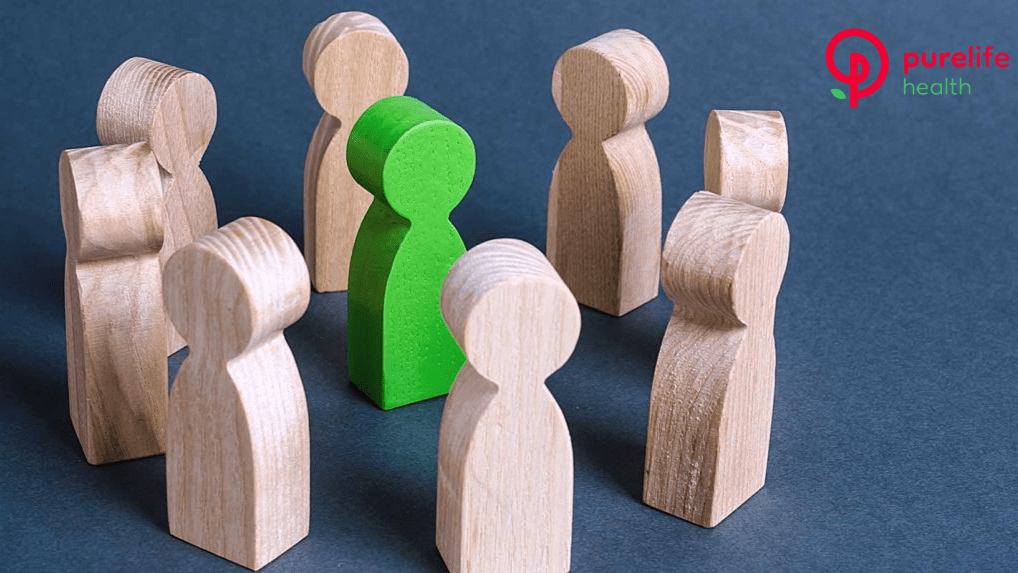

In the race toward digital health, true progress happens only when innovation is built around people — their needs, their contexts, and their lived realities. Human-centred design (HCD) reclaims this focus by ensuring that healthcare systems evolve with direct input from those they serve. In countries like Nigeria, where gaps in access, affordability and trust persist, designing with people rather than for them is not just ideal — it is essential!
Human-centred health systems prioritise three principles: listening to patients, respecting cultural context, and ensuring accessibility. Globally, successful models like Rwanda’s community-driven primary care reforms and Kenya’s patient-centred digital clinics demonstrate that when users shape design, adoption increases, outcomes improve, and innovation becomes sustainable. Locally, Nigeria’s rapidly growing digital-health ecosystem shows that solutions thrive when they respond to real community behaviours and constraints.

Purelife Health, founded in 2021, embodies this shift toward people-centred innovation. Its Carehub model transforms community pharmacies into accessible mini-clinics, designed based on user feedback about cost barriers and long travel distances for basic care. Purelife’s digital platform was developed after extensive patient interviews revealed the need for simple appointment booking, transparent pricing, and trusted telemedicine. The company also integrates cultural realities — from communication preferences to community norms — into health-education campaigns, ensuring that messages resonate and drive behaviour change.
By pairing technology with empathy, Purelife demonstrates how Nigerian health innovation can remain ambitious without losing its human grounding. The company’s approach proves that systems designed around people build trust, improve outcomes and scale effectively.
As Nigeria’s health sector embraces new tools and ideas, the mandate is clear: innovation must remain rooted in humanity. Technology may accelerate progress, but people — their voices, values and needs — must define its direction. Only then can innovation truly serve its purpose: creating health systems that work for everyone.
 Purelife Health
Leave a comment